
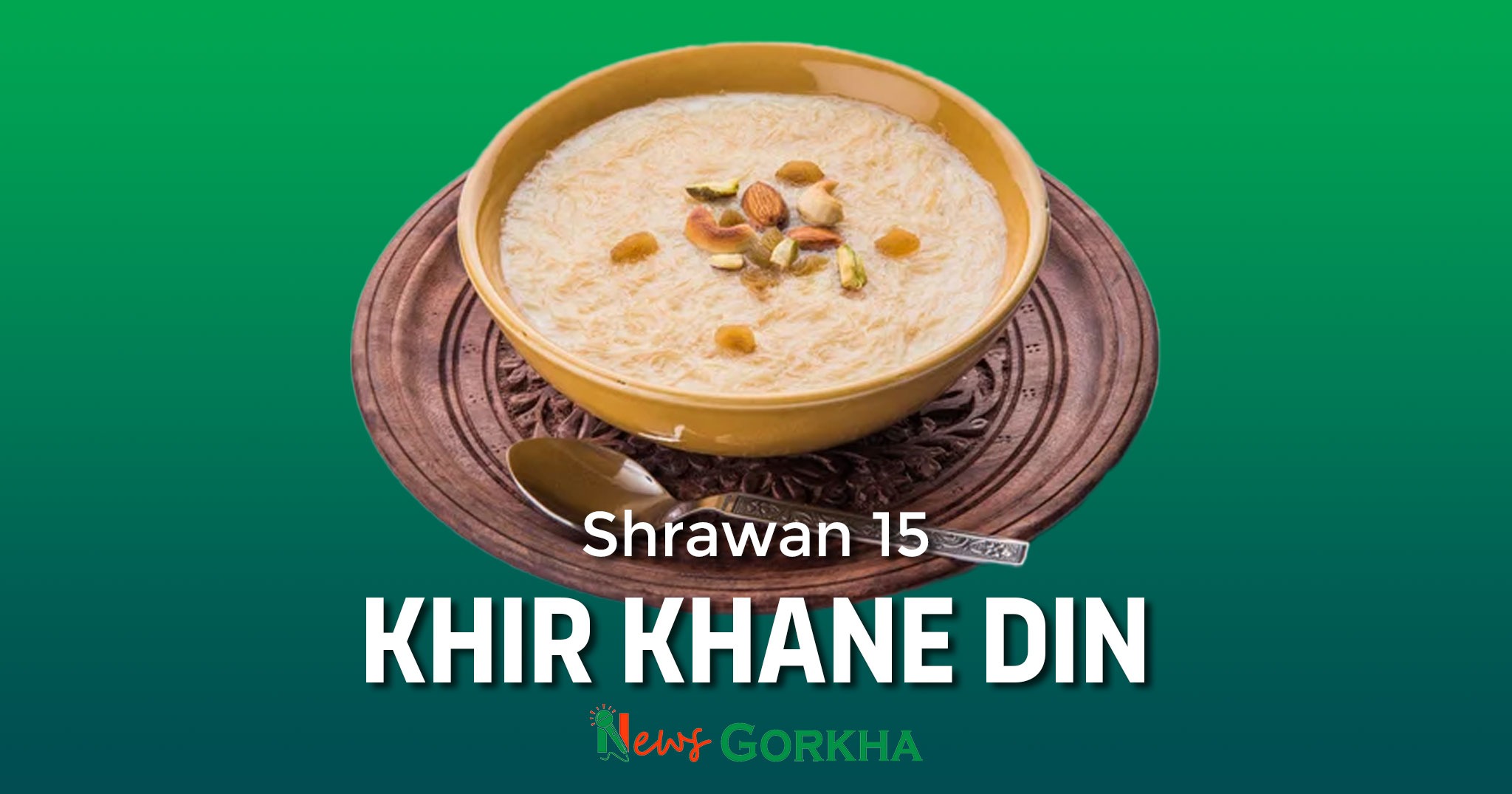
Shrawan 15: Let's Celebrate "Khir Khane Din" – A Ritual Saluting Our Agrarian Heritage
Tt is Shrawan 15, 2082 B.S., or Khir Khane Din in our Nepal. It’s a special day of celebration in our tradition, particularly for those whose culture is associated with agriculture. Nepal is a nation in which the majority of its populace have lived traditionally on agriculture. Livestock farming along with agriculture has never been merely a job—it’s a culture that has been inherited from our forefathers.
We mark Nepalese tradition of Khir Khane Din by preparing and eating Khir, a rice-and-milk dessert pudding topped with dry fruits, if any. Food is symbolic; it represents thanksgiving, simplicity, and relishing the work in the fields when they were available. Milk and rice are staple items in every farmer’s home, so the dish is accessible as well as symbolic.
And we also celebrate Asar 15 (Dahi Chiura Khane Din) in the same way. In Asar, we celebrate plantation of rice—a job of backbreaking labor, which generally happens because of incessant rain. Earlier, as there were no sophisticated cooking appliances such as gas or electricity stoves, food cannot be prepared easily at high temperatures. So they used to have to resort to plain, no-cooking preparations of domesticated vegetables—Dahi (curd) and Chiura (beaten rice). A few of them had bananas or sugar added to them for taste, but the primary ingredients were found in all farming households.
Shrawan, the next month of Asar, is when crops planted begin to sprout. There is slightly less fieldwork, and only all that is done is taking care of sprouted crops. This gave time and energy to people to prepare something like Khir, and celebrate a profitable plantation period.
Following is Mangsir, harvest. All the months of useless labor finally reward peasants in the form of their harvest. In honor of this season, they cook a dish called Nai, from raw rice and milk of fresh harvest. As a token of thanksgiving, before partaking in this feast, it is the custom to offer the first grain to the gods.
While all but a handful have left the profession for other pursuits, these customs remain. We continue to celebrate Asar 15, Shrawan 15, and Mangsir harvests with family and friends at home, although the homes are located in the cities now. They’ve become festivals—breathtaking reminders of our country roots and a way of staying connected to where we originated.
Personally, I just adore these traditions. Not only do we have the privilege of honoring our ancestors and the way they earned their keep, but they also let us use our own locally grown grains and ingredients on top of that. Observing Khir Khane Din isn’t so much an indulgence of some sugary delight—it’s a genuine display of gratitude for our culture, the land we farm, and the labor that brings it forth.