
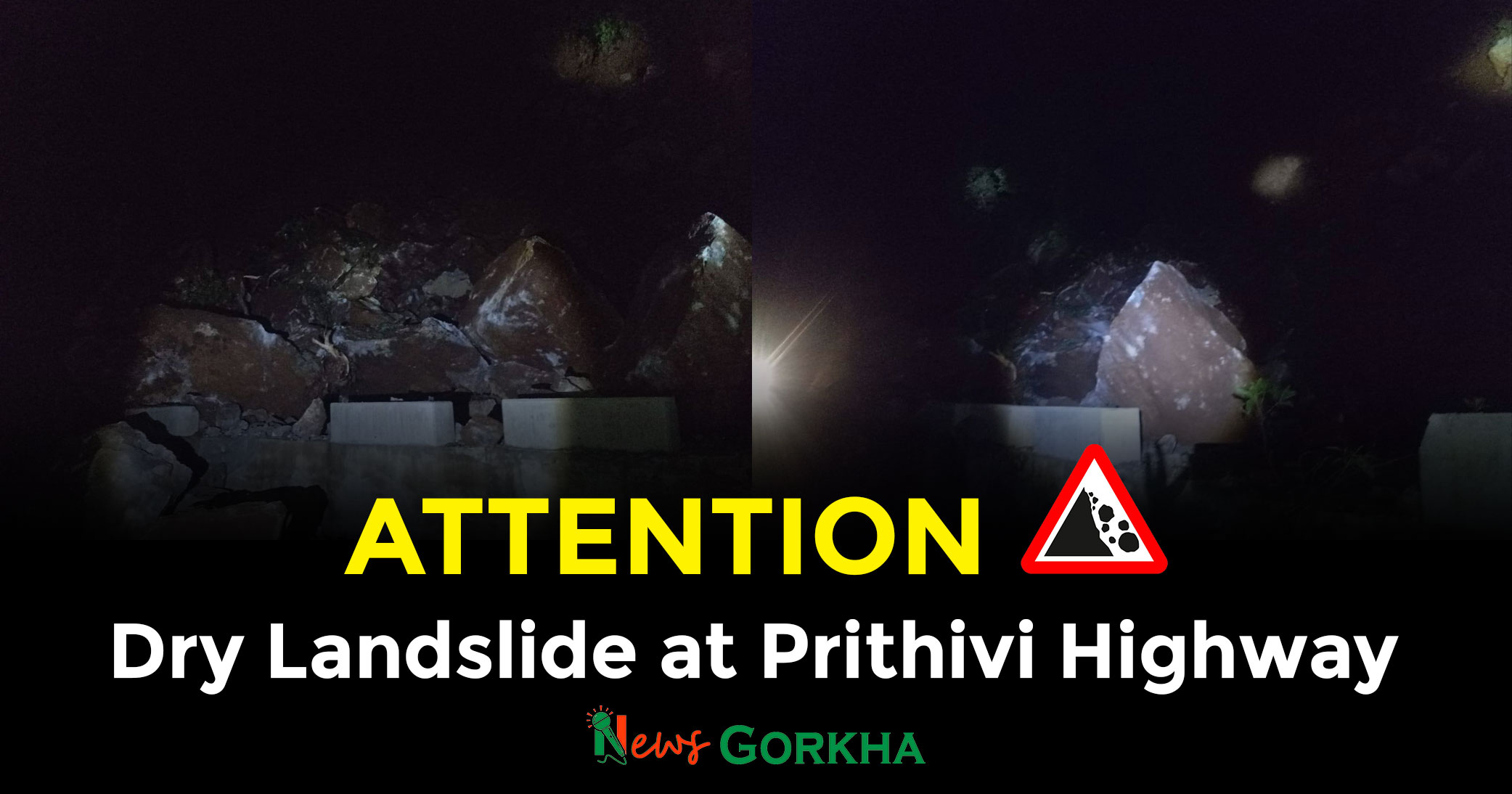
Dry Landslide at Prithivi Highway
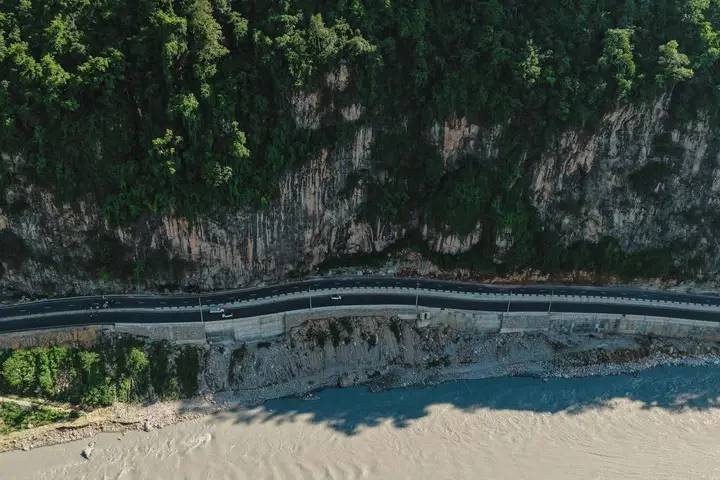
Photo of Road Before Landslide
Dry Landslide Blocks Prithvi Highway at Chun Pahara, Bimalnagar
Tanahun, Nepal – Shrawan 12, 2082
A dry landslide occurred on the Prithvi Highway at Chun Pahara, Bimalnagar in Tanahun district last night at 8:40 PM, totally blocking the two-way traffic and making enormous troubles for travelers and transporters using this important road.
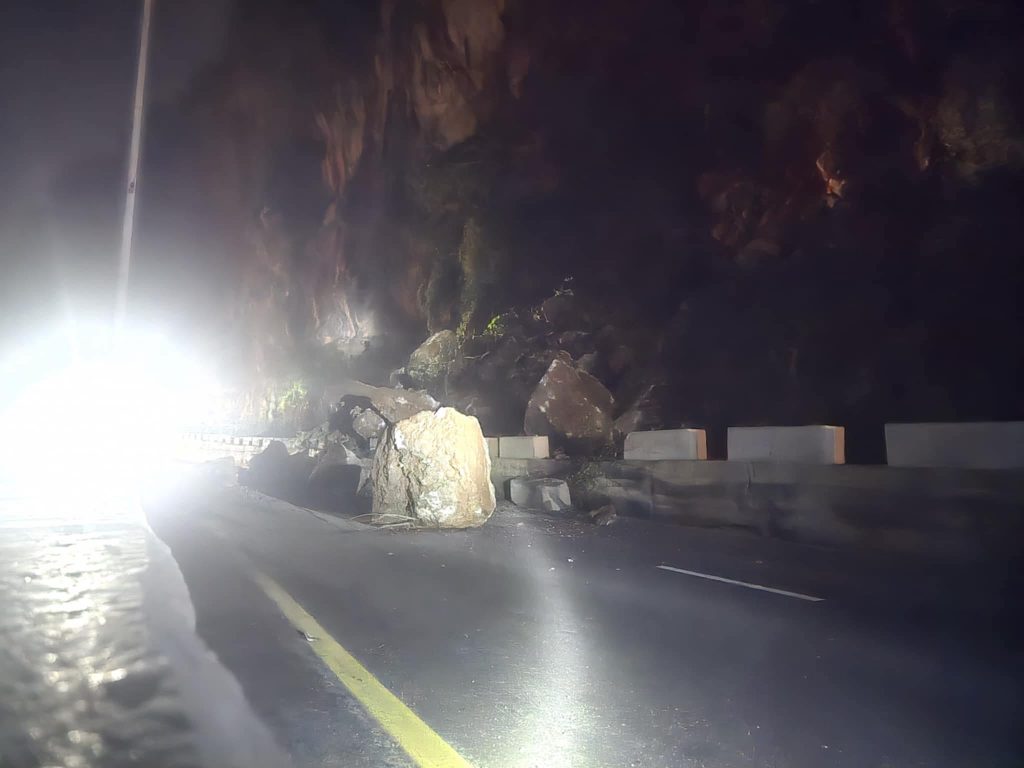
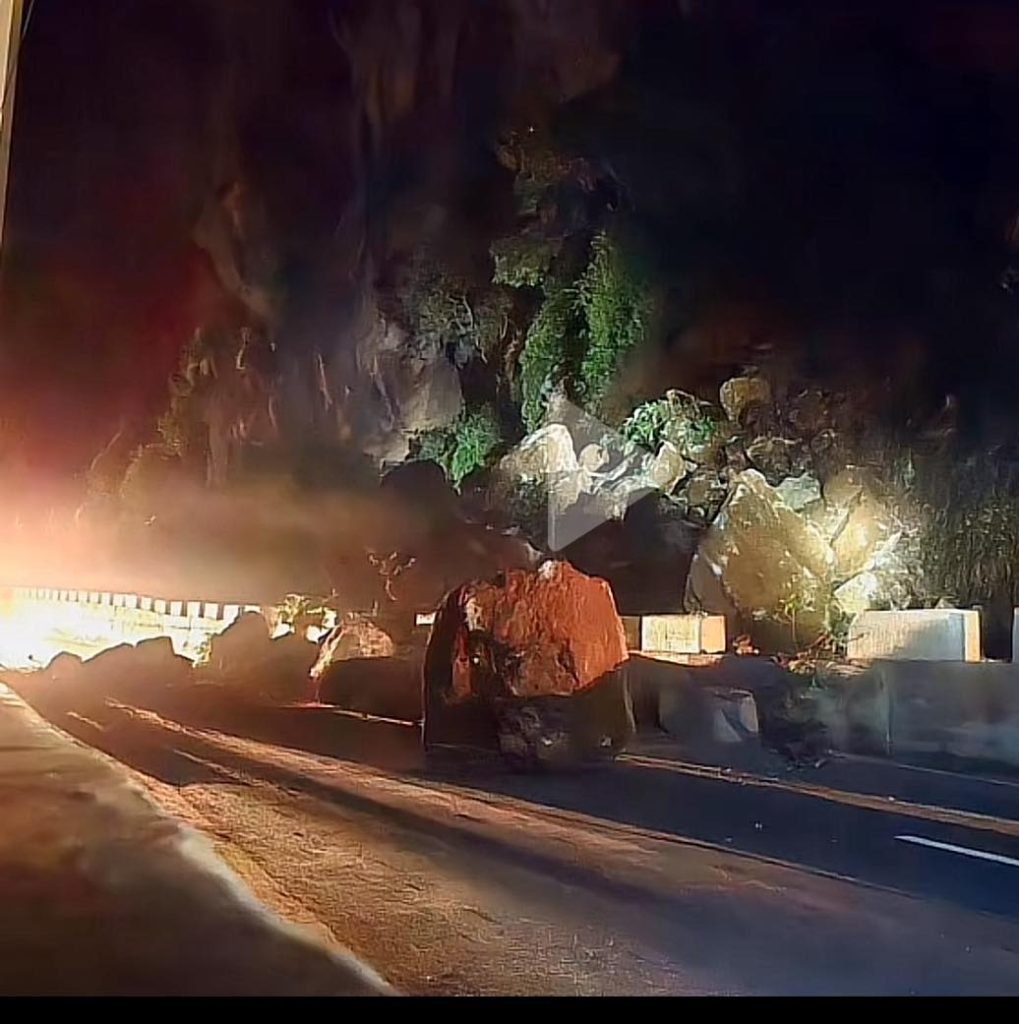
Massive Blockade of Key Highway
Prithvi Highway is a crucial transport artery of Nepal that links the capital city, Kathmandu, with Pokhara and goes on to the western part of Nepal. The sudden landslide, made up of dry earth, loose stones, and dust, rolled down the side and shrouded the highway with tons of debris.
Witnesses attested that the landslide occurred without warning of heavy rainfall or earthquakes—activities most landslides in the region are triggered by. Sudden collapse of the dry slope caught some drivers and cargo trucks by surprise, and brought vehicular traffic to a standstill immediately.
Several long-distance buses, vehicles, and trucks loaded with cargo were stuck on both sides of the landslide. Though no casualty or injury was reported at first, passengers described it as an eye-witness horror with dust remaining in the air and large stones still sliding down the slope intermittently.
Alternate Route Via Gorkha-Chyangli Opened
To counter the congestion, the local authorities immediately coordinated with emergency services and traffic police and diverted the vehicles through an alternative route. The traffic has been diverted through Gorkha and Chyangli, an alternative route that is available but less ideal for heavy transport in large numbers.
The diversion route also has its own set of drawbacks—narrow stretches, hairpin bends, and poorly constructed roads are a menace to passenger and goods carrying vehicles. Vehicles traveling through the diversion route have been cautioned to drive with maximum care, particularly at nights when light is poor.
Efforts to Clear the Highway Underway
Joint efforts of Nepal Police, Armed Police Force (APF), local road maintenance units, and the Department of Roads have continued since last night to remove the landslide. Assistance from excavators, bulldozers, and loaders has enabled teams to clear most of the debris.
Despite the advancement, the extent and magnitude of the landslide have made the operation challenging. The dryness in the ground has added instability, with parts of the hillside still liable to collapse. The workers are working under tightly controlled conditions to prevent secondary landslides.
One lane of the highway was reopened to traffic at press time this morning. Vehicles are being allowed to move slowly under limited conditions, with security personnel guiding traffic on both sides. Full restoration of the road, however, could take many hours or even days depending on weather and sustained terrain stability.
No reported casualties, but hazards still present
Even though there has been no report so far of any damage to vehicles or injuries, the authorities are in a high state of alert. Rescue workers and medical teams are on standby as well for any eventuality. Fortunately, the timing of the landslide, after-evening rush hours, proved favorable in that there was comparatively lesser traffic than during the rush hours.
Locals and tourists in the areas nearby have been warned to avoid the damaged portion of road unless absolutely necessary. The Ministry of Physical Infrastructure and Transport also issued an official public warning encouraging travelers to stay informed using official traffic alert systems and local news outlets.
Increasing Concern Over Dry Landslides in Nepal
The disaster has also created fresh concerns about the increasing rate of dry landslides in Nepal’s mountains and hills. While rainlandslides occur regardless of rainfall, dry landslides occur even during drought, generally due to deteriorating geological structures, logging, uncontrolled road construction, and the steady effects of climate change.
Geologists have always cautioned that indiscriminate excavation and road-widening activities—without slope retention or drainage—have the potential to seed hillsides for catastrophic collapse. Chun Pahara, where the Prithvi Highway curves, had been previously identified as a possible landslide site.
Keeping in view that the monsoon is still to stop, the risk of additional dry and wet landslides remains ever present over most of the districts of western and central Nepal. The government officials have been urged to intensify early warning systems, conduct geological maps, and prioritize preventive measures in vulnerable areas.
Voices from the Ground
One of the drivers on the long route, Rajendra Adhikari, who had been stranded near the location of the landslide for over six hours, recounted the experience with News Gorkha:
“We noticed a cloud of dust rise before us all of a sudden. Then, in a matter of seconds, large boulders began falling. Luckily, no vehicle ended up in direct collision with the boulders coming down, but we couldn’t proceed forward or backward. It was a long and terrifying night.”
A village retailer, Meena Gurung, said:
“This is the third occasion in recent years the landslide has jammed the road close to our village. We need a more permanent solution. Clearing up after every slide is not sufficient.”
Authorities Keeping a Close Eye on the Situation
Tanahun District Administration Office, in coordination with Nepal Police and road engineering departments, has pledged to open both sides of the highway at the earliest. Temporary fence and barricades are being put up for stabilizing the verge slope and ensuring safety to the work force and commuters.
Meanwhile, mobile internet users in the area have been uploading photos and videos of the debris, creating more publicity for the incident. Local FM radio stations and online social media platforms are ongoing to give live reports to assist travelers in organizing their trips.
Conclusion
The Chun Pahara, Bimalnagar dry landslide report has again played the role of exposing the vulnerability of Nepal’s critical infrastructure to natural and human-induced hazards. Even though the timely action of rescue teams and the authorities prevented a catastrophe, the event serves to underscore that there is a pressing need for enhanced hillslope management, regular geological monitoring, and investment in disaster-resistant infrastructure.
Travelers should remain alert, heed traffic warnings, and keep an eye on official announcements. The reopening of one lane is a short-term measure, but life will go back to normal only after both lanes are open and the hillside is stabilized.
Recent Update
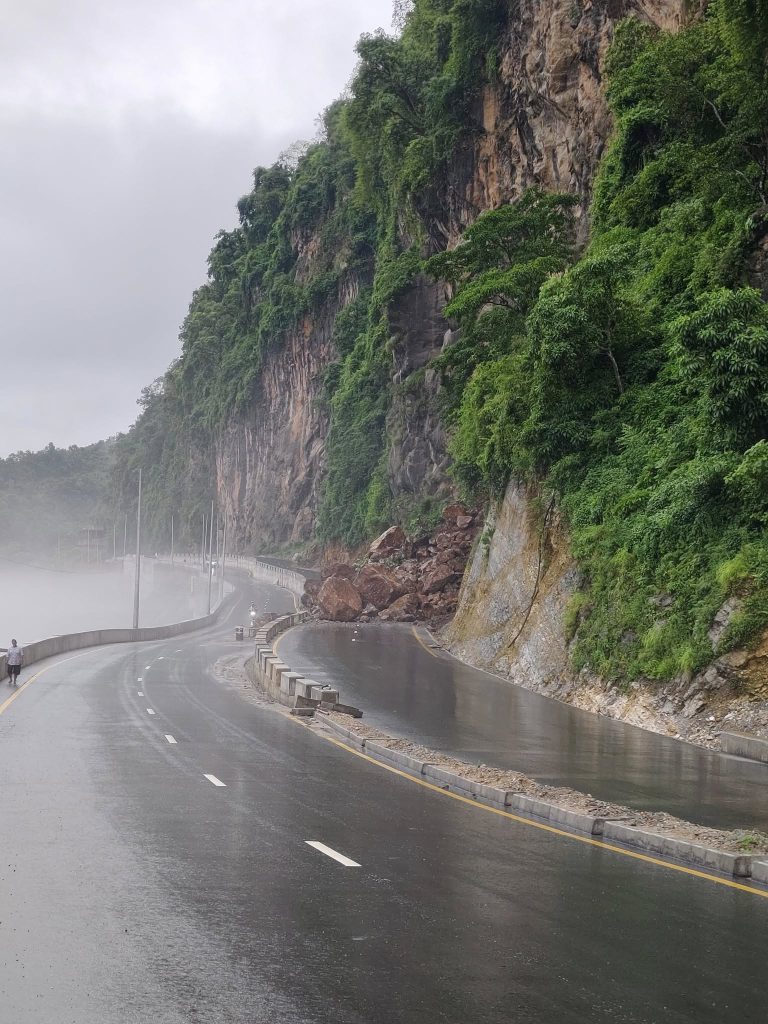
Here is the photo of morning condition of road. Here we can clearly see the road is opened by one side. These roads are newly constructed and roads have 4 lane. Each side have 2 lane. 2 heavy vehicles can easily pass at a single time in each side so that traffic may not be big issue here. You may travel now by this road.